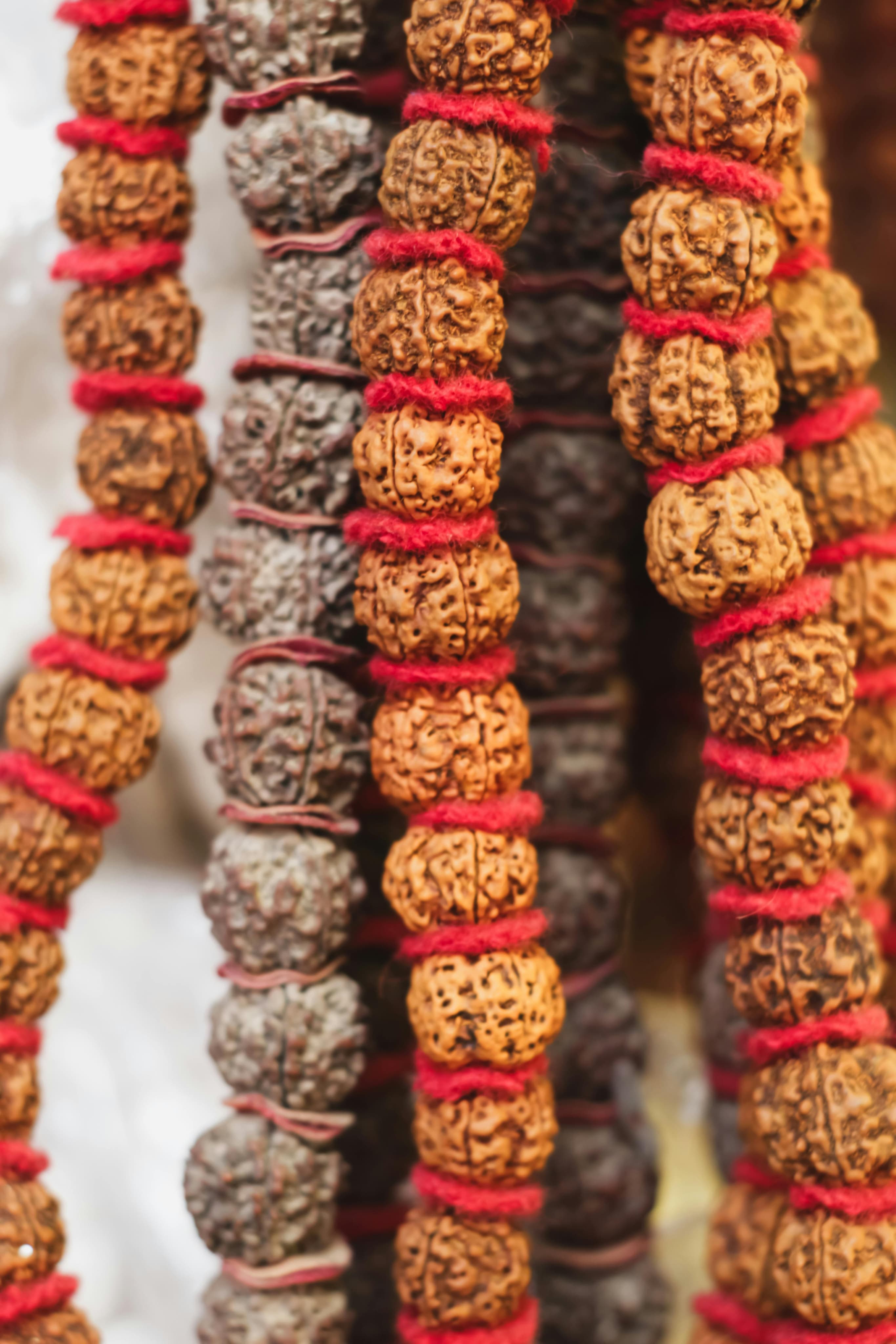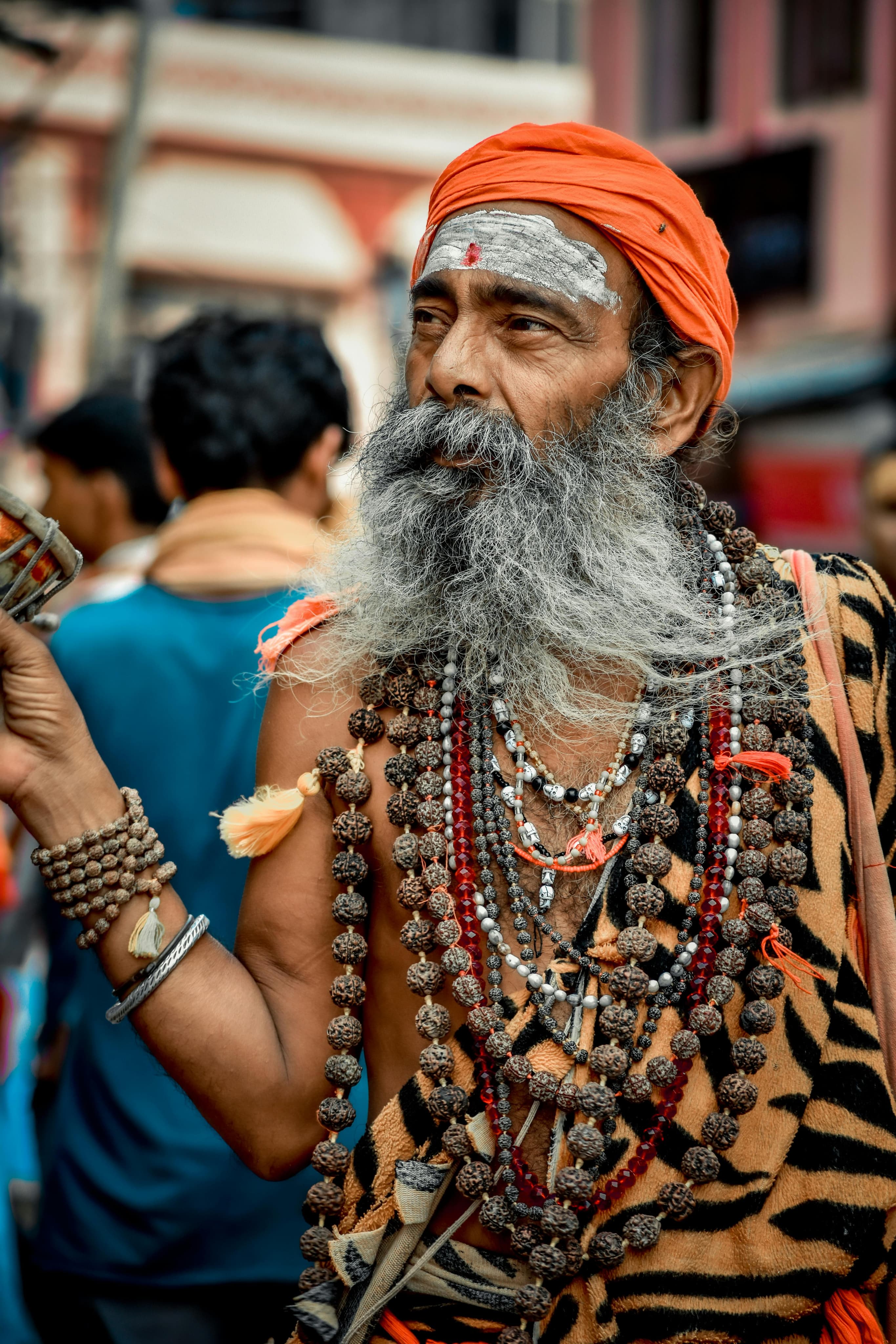
Rudraksha beads are among the most revered spiritual treasures in Vedic tradition. Derived from the seeds of the Elaeocarpus ganitrus tree, each bead possesses natural clefts or lines known as mukhis (faces). Understanding how to choose, energize, and care for your bead transforms a physical item into a daily spiritual anchor.
1. Understanding Mukhi Clefts & Sacred Symbolic Meanings
The number of natural mukhis running from top to bottom dictates the specific energetic frequency associated with each bead. According to ancient scriptures like the Shiva Purana and Srimad Devi Bhagavatam, different mukhis resonate with particular deities and planetary vibrations.
"Just as the sun illuminates all worlds, the sacred Rudraksha purifies the mind, grants inner tranquility, and shields the seeker from negative influences." — Sacred Vedic Commentary
Key mukhi classifications in daily practice:
- 1 Mukhi (Ek Mukhi): Represents Lord Shiva; associated with supreme consciousness and ultimate clarity.
- 5 Mukhi (Panch Mukhi): Represents Lord Kalagni Rudra; removes negative energy, fosters health, peace, and emotional balance.
- 7 Mukhi (Sapt Mukhi): Goddess Lakshmi; brings prosperity, financial stability, and good fortune.
- 9 Mukhi (Nav Mukhi): Goddess Durga; instills fearless courage, protective shielding, and willpower.
2. Comprehensive Mukhi Reference & Astrological Attributes
Below is a quick-reference guide detailing the ruling deity, planetary ruler, associated chakra, and primary mantra for popular mukhis:
| Mukhi | Ruling Deity | Ruling Planet | Associated Chakra | Bija Mantra |
|---|---|---|---|---|
| 1 Mukhi | Lord Shiva | Sun (Surya) | Sahasrara (Crown) | Om Hreem Namah |
| 5 Mukhi | Kalagni Rudra | Jupiter (Guru) | Vishuddha (Throat) | Om Hreem Namah |
| 7 Mukhi | Goddess Lakshmi | Venus (Shukra) | Anahata (Heart) | Om Hoom Namah |
| 9 Mukhi | Goddess Durga | Rahu | Ajna (Third Eye) | Om Hreem Hoom Namah |
3. Step-by-Step Prana Pratishtha (Energization Ritual)
To awaken the dormant energy of your bead before wearing it for the first time, follow these traditional sequential steps:
- Purification: Gently wash the bead with pure Gangajal or clean water mixed with raw milk.
- Anointing: Apply a small drop of natural sandalwood paste (Chandan) and pure unrefined mustard or sesame oil.
- Chanting & Invocation: Hold the bead in your right palm and chant the specific Bija Mantra 108 times using a Japa Mala.
- Consecration: Place the bead at your altar near an incense burner (Dhoop) for 5 minutes before placing it around your neck or wrist.
Visual Walkthrough & Demonstration Video
Watch our step-by-step video guide explaining physical verification checks and daily maintenance practices:
4. Authenticity Checks & Physical Examination
Due to the high demand for rare mukhis, counterfeit beads are sometimes created by carving artificial grooves into common beads. Genuine beads exhibit:

Uniform smooth grooves→ Natural, irregular deep channels extending continuously from top crown to bottom stalk without knife marks.- High density that feels substantial in the hand rather than hollow.
- Internal seed compartment integrity confirmed through non-destructive X-ray certification.
Explore our lab-certified collection of Authentic Rudrakshas or learn more about curated Siddha Malas for deeper spiritual alignment.